TECHNOLOGY GUIDE
Night FPV Cameras: Starlight, IR or Thermal Imaging?
“Night vision” can describe different ways to form an image. Starlight improves a visible-light camera’s performance in low light; active IR illuminates a scene with light people cannot see; thermal imaging uses emitted heat.
How is Starlight different from a thermal camera?
Starlight is a visible-light camera designed to work in low illumination; a thermal imager forms an image from infrared thermal radiation. A low-light camera still needs some available light, while a thermal detector does not depend on reflected visible light. [1]
The Starlight label alone does not mean thermal imaging or guarantee a usable image in complete darkness. A visible sensor’s result depends on the scene, lens, processing and lighting.
How do the three night-imaging approaches work?
Details are listed in this order: What it detects / Does it need visible light? / Main limitation.
- Starlight / low-light: Reflected visible light at low illumination / Yes, though the sensor/processing may operate with less / Detail and contrast fall as light runs out; a Lux claim does not guarantee equal results across models
- Active IR: Reflected near-infrared illumination detected by a compatible sensor / Not ordinary visible light, but it needs an IR illuminator and reflected light / Range and contrast depend on the illuminator, reflectivity and line of sight
- Thermal imaging: Thermal infrared radiation and temperature differences / No / Shows thermal contrast, not ordinary colours/textures; results depend on conditions and object properties
Active near-IR illuminates a scene and relies on reflected energy; thermal imaging works in a different infrared region and does not create an image from reflected light. [2]
When would you choose low-light or Starlight?
This approach suits a need for an ordinary scene image—visible contours and details—when some light remains. Read the sensor, lens, stated operating mode, video format and image samples together. Lux values can be misleading when measurement methods differ.
FPV Vision has dedicated pages for FPV Starlight JS-18Por and Caddx Ratel Pro. Caddx publishes a 1/1.8-inch sensor, 1500 TVL, Super WDR and 0.00001 lux minimum illumination for Ratel Pro. Caddx specifications. The site’s Starlight specifications do not confirm its manufacturer, so we do not assign one.
What does an IR camera mean for night flight?
“IR” may mean near-infrared illumination, which lights a scene with energy invisible to people, or thermal infrared imaging. They are not the same. Check the sensor specification: an IR filter or illumination compatibility does not turn an ordinary low-light camera into a thermal imager.
Our catalog does not list a separate IR illuminator model. Do not assume one is included with Starlight JS-18Por or Ratel Pro.
What can a thermal FPV camera show—and what can’t it?
A thermal imager shows thermal radiation and contrast between objects, not their visible colour or appearance. It can form an image without visible illumination, but it does not “see through” walls or other dense barriers. [1]
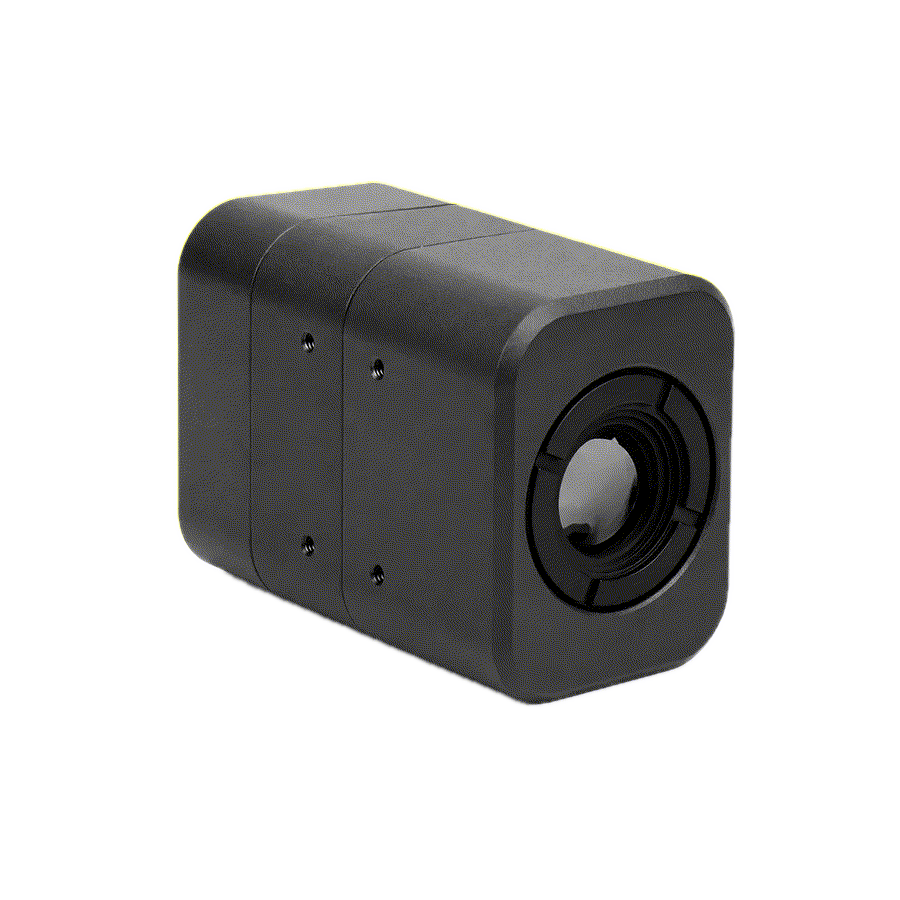
The Caddx Thermal IRC-640CA listed here has confirmed specifications of 640 × 512, VOx, 50 Hz, a 9.1 mm lens, NETD ≤40 mK, analog PAL output and 5–16 V input. See the Thermal IRC-640CA product page and our thermal guide. These specifications describe the model; they do not promise a specific result in every scene.
How should you choose a camera for darkness?
- Decide whether you need a visible scene image or thermal contrast.
- Check whether some light is available or compatible IR illumination is part of the setup.
- Match sensor, lens, output, PAL/NTSC, dimensions and documented power range to the system.
- Ask for image samples with described conditions if they matter to the task.
- Do not use TVL or Lux as the sole selection criterion.
For changing ambient light, read our guide to FPV cameras at dusk; the camera selection guide explains the broader specifications.
Sources and notes
External sources support the technical explanations; check FPV Vision product specifications on the relevant model page.
Need help? Contact FPV Vision. All materials.